Fence Calculator
Fence Calculator
Posts = length / spacing, rounded up, plus 1 end post. Pickets = length in inches / (picket width + gap). Add 1 post per gate side, and extra bracing at corners.
Estimate only. Densities, coverage and prices vary by supplier, quarry, moisture and region. Confirm the final order with your supplier before ordering.
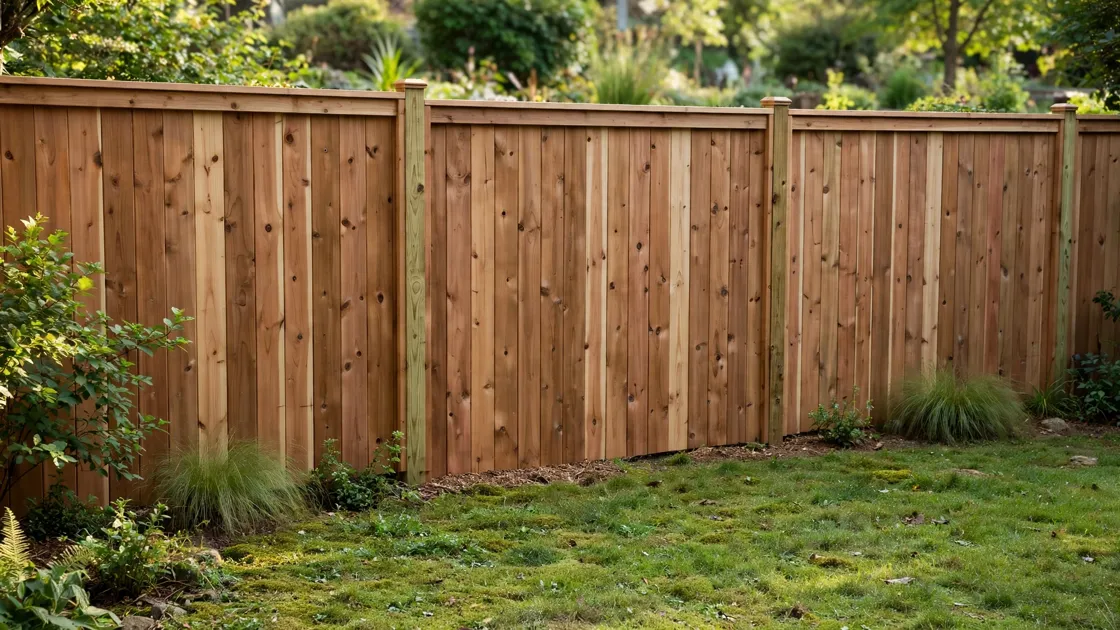
A fence calculator does not just count fence length, it counts posts, pickets, rails, and concrete, with spacing, gates, and waste all changing the total. The most common fence mistake is counting pickets for the fence length, and forgetting gates, corners, and end posts, which need different posts and bracing.
Use the free Board Foot Calculator for timber fence boards, or work through the fence method below.
Fence calculator formulas
Post spacing is usually 8 feet on centre, for wood fences. Picket width is usually 6 inches, gap is 0 for privacy, 1 to 2 inches for semi-privacy, wider for ranch style.
Fence by style
| Style | Picket width | Gap | Post spacing |
|---|---|---|---|
| Privacy, 6 ft | 6 inches | 0 inches | 8 feet |
| Semi-privacy | 6 inches | 1 inch | 8 feet |
| Picket, 4 ft | 4 inches | 2 inches | 8 feet |
| Ranch, 3 rails | 6 inch rails, no pickets | Open | 8 feet |
Worked example: 100 foot privacy fence, 6 inch pickets, no gap
Posts: 100 / 8 = 12.5, round up to 13 sections, plus 1 end post = 14 posts, before gates and corners. Add 1 post per gate side, and extra bracing at corners.
Pickets: 100 x 12 / 6 = 200 pickets, plus 10 percent waste = 220 pickets. Rails: 2 to 3 rails per section, 13 sections x 3 rails = 39 rails, 8 feet each, before waste.
Concrete: about 1 bag of 60 lb mix per post, for a 12 inch diameter hole, 24 inches deep, depending on soil. 14 posts = about 14 bags, plus gate posts with more concrete.
Fence by size, privacy, 6 inch pickets, no gap, before waste
| Fence length | Posts, 8 ft spacing | Pickets |
|---|---|---|
| 50 feet | 8 posts | 100 pickets |
| 100 feet | 14 posts | 200 pickets |
| 150 feet | 20 posts | 300 pickets |
| 200 feet | 26 posts | 400 pickets |
Steps for planning a fence
- Measure total length, minus gates. Walk the line, mark corners, gates, and slopes.
- Calculate posts, pickets, and rails. Use the formulas above, add 10 percent waste for pickets and rails.
- Plan gates and corners separately. Gate posts, hinges, latches, and corner bracing, not just line posts.
- Check local rules. Height limits, setback, and property line, before you dig, not after.
- Order posts first, pickets second. Posts set the line, pickets follow the line, not the other way round.
Related calculators and guides
Board feet for fence boards and rails.
Lumber Buying Guide
Species, grade, and buying checklist.
Concrete Calculator
Concrete for fence post holes.
Square Footage Calculator
Area for yards and lots.
Gravel Calculator
Gravel for post drainage, if used.
Decking Calculator
Decking boards and framing.
Frequently asked questions
How many pickets for a 100 foot fence?
Privacy, 6 inch pickets, no gap: 200 pickets, about 220 with waste. Semi-privacy, 1 inch gap: 100 x 12 / 7 = 172 pickets, about 189 with waste.
How far apart should fence posts be?
8 feet on centre for most wood fences. 6 feet for taller fences, heavy gates, or windy areas.
How deep should fence posts be?
At least 1/3 of the post height, in the ground, minimum 24 inches for a 6 foot fence, deeper in frost areas, per local code.
How much concrete per fence post?
About 1 bag of 60 lb mix per post, for a 12 inch hole, 24 inches deep. More for gate posts and corner posts.
Should fence pickets touch the ground?
No. Keep pickets 1 to 2 inches above ground, to avoid rot and to allow drainage, unless local style says otherwise.
Do I need a permit for a fence?
Often yes, depending on height, location, and local rules. Check with your local authority before building, not after.
Estimate only. Confirm post spacing, height limits, and property lines with local rules before building.